

As we slowly wend our way through France on the way back to the UK we have stopped in a number of historic towns and cities: Brantôme, Limoges, Loches and Tours. We are currently in rural Normandy for a few nights with plans to visit the village where David Hockney had a home, as well as some of the beaches used during the D-Day landings.
Since we are spending long hours on the road we’ve been listening to podcasts. A favourite, and very informative one is The Rest is History - the episodes about Joan of Arc were very interesting and we’re currently listening to the series on the French Revolution.
Contrary to what’s widely recognised as a comment by Marie Antoinette in response to the hardship of peasants going hungry, she never actually said “Let them eat cake”. You can read more about this here. There are hundreds of portraits and paintings of this French queen and I was surprised that she was also the patron of a female artist called Elizabeth Vigée Le Brun.
Vigée le Brun (1755-1842) had a fascinating life. A self-taught artist, the National Gallery profile of her states “at 15 she was painting the aristocracy, in her 20s she was the favoured painter of Marie-Antoinette, and by her 30s she was fleeing the French Revolution”.
Born in Paris, Vigée le Brun’s father was a portrait painter who died when she was twelve. She followed in his footsteps and by the time she was in her early teens, had a modest clientele. Her works gained attention, so much so that in 1774 her studio was closed as she had been operating without a licence! She joined the Académie de St Luc to resolve this, one of very few women admitted, and albeit after the academy had unwittingly exhibited some of her works.
Her fame really took off when she began painting Marie Antoinette, over thirty portraits in total, and received the queen’s patronage which allowed her to join the Académie Royale in 1783, having been previously rejected.
Vigée le Brun didn’t just paint the queen looking regal and remote, the portrait fashion of the time. She painted her holding a rose and in a plain dress, looking like an actual person who’s simply enjoying themselves. She was able to catch a softness in her sitters without ever making them look weak - they appeared relaxed, often seen smiling with teeth visible. These were some of the most quietly radical portraiture of the century.
In 1789 the French Revolution broke out, and Vigée le Brun’s close association with the royals was being carefully scrutinised. Instead of waiting for a possible guillotining, she left for Italy with her daughter and didn’t return until her name was removed from a list of counter-revolutionaries in 1802.
During that time she didn’t stop working. She went to Rome, to Vienna and to St Petersburg, welcomed across Europe’s royals courts. She was elected to art academies everywhere and, as a woman with no formal schooling, gathered credentials that her male peers could only dream of.
Vigée le Brun painted around six hundred works in her lifetime, wrote her memoirs in her seventies and outlived nearly all of her sitters and detractors. However it isn’t her portraits of Europe’s 18th century rulers that appeal to me most, it’s her self-portraits. Dozens of them, she painting herself as an artist, brush in hand, looking straight out at you, unbothered. There really is a quiet confidence in them, and you get the feeling that she was simply good at what she did without the need to make a fuss about it.
Read more about Vigée le Brun here and here and watch a video introduction from the National Gallery above.
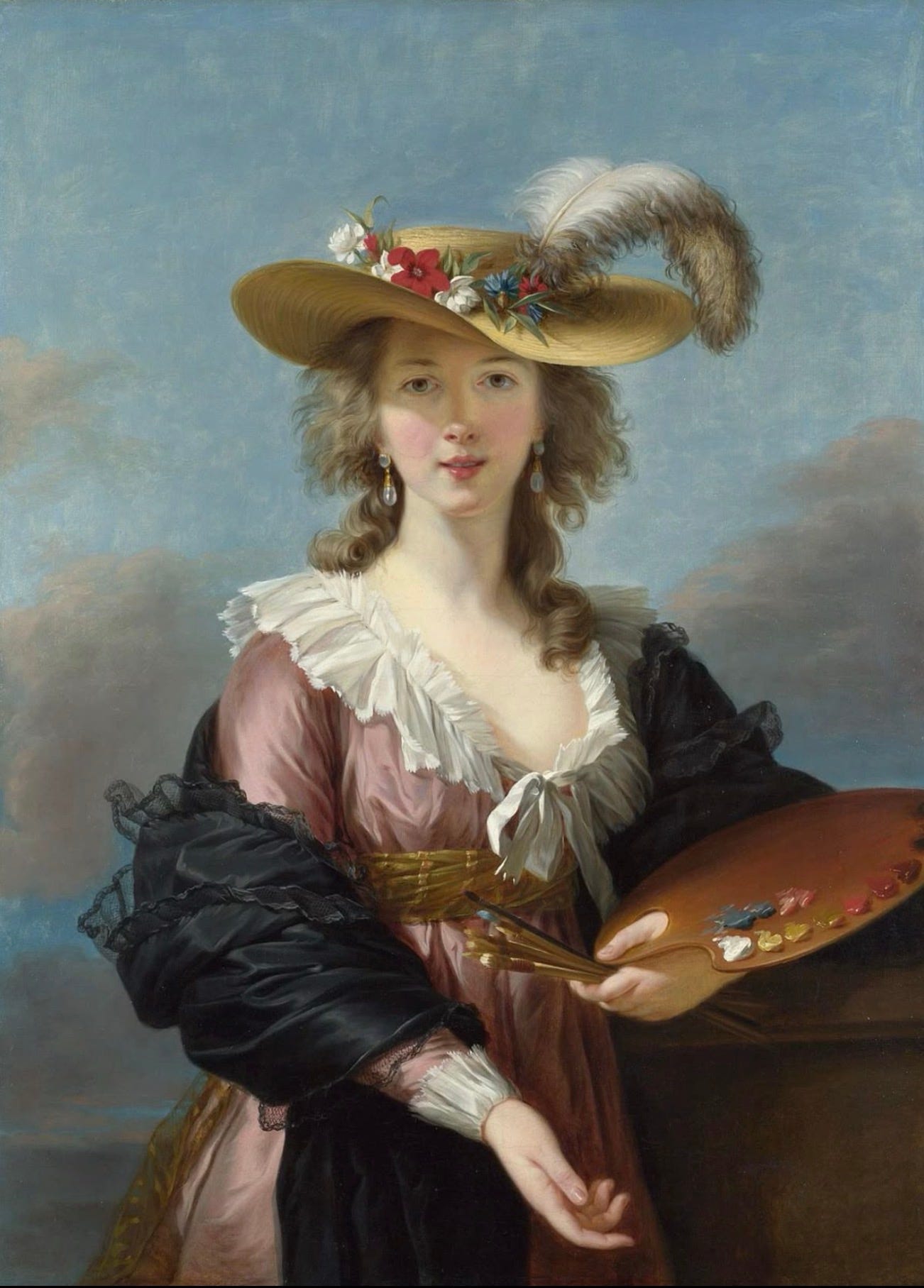
“Self-Portrait in a Straw Hat, oil on canvas, ~1782
Colour Combination
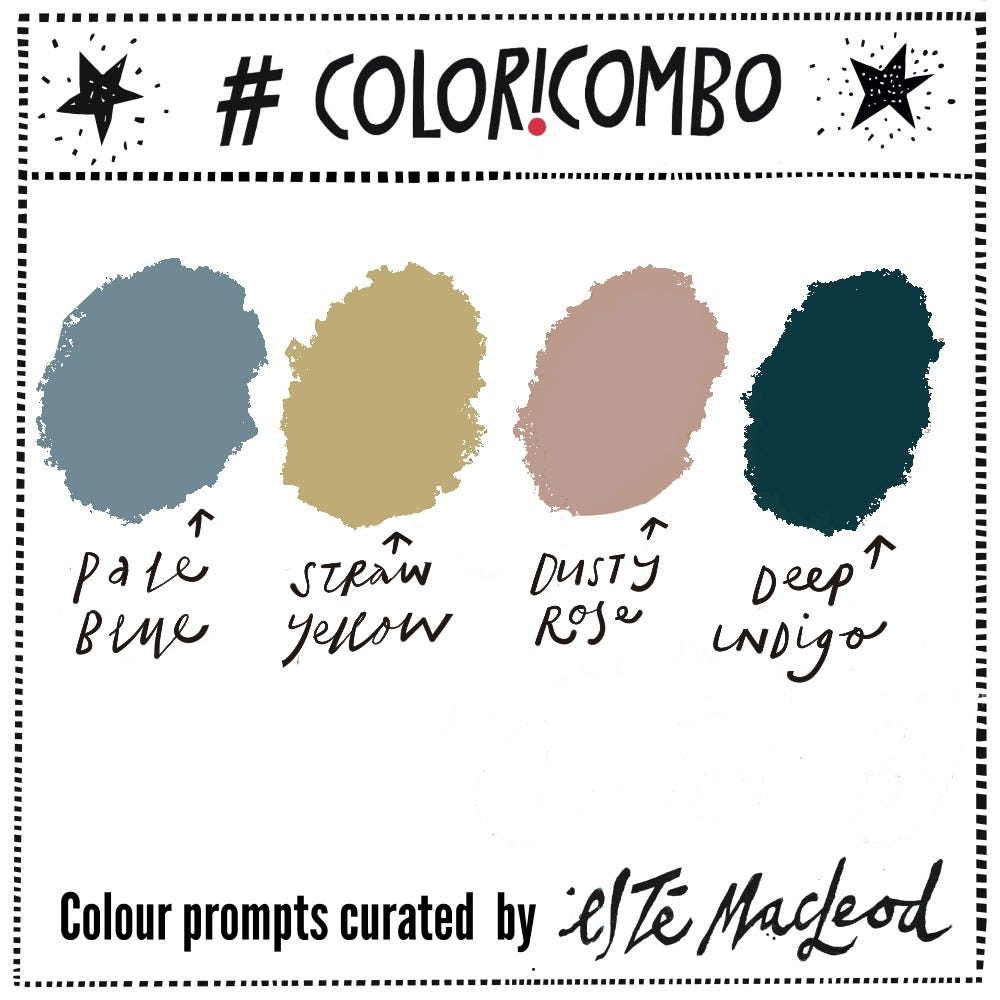
The colours this week are Pale Blue, Straw Yellow, Dusty Rose & Deep Indigo. Use them along with a contrasting dark and neutral light colour to create an artwork in any medium or style. Know someone who might enjoy a weekly dollop of colour and creativity? Why not share this post with them?
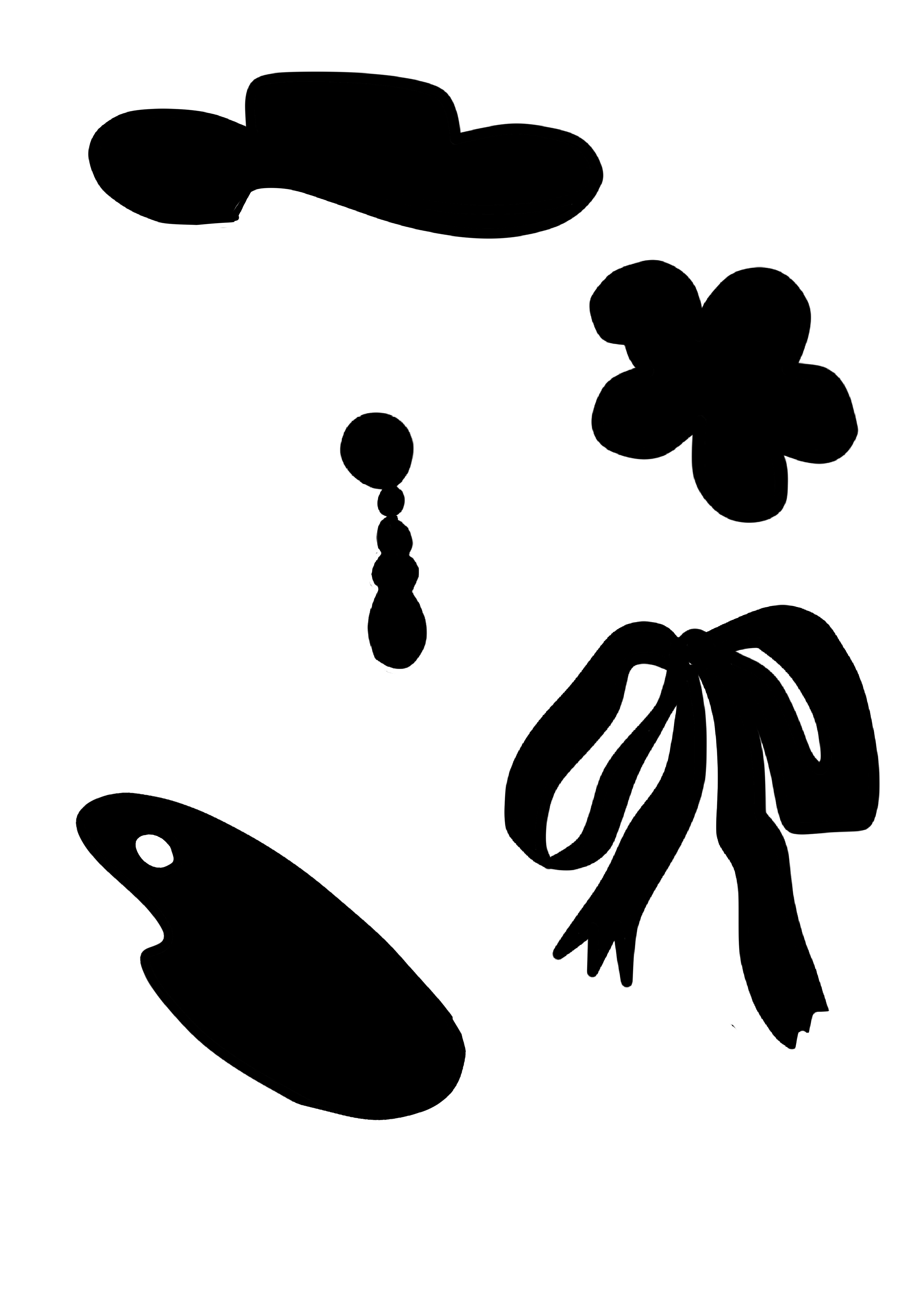
Shapes
Along with the colour prompt I am including some shapes found in the artwork which you can download as a PDF and print out to use as you wish.

What an incredible artist. So many struggles and still making it to the top. She is a true inspiration. Thanks Esté for sharing her story.
Thank you, Esté! What an amazing and talented woman!