

Castles, caves and wooly mammoths
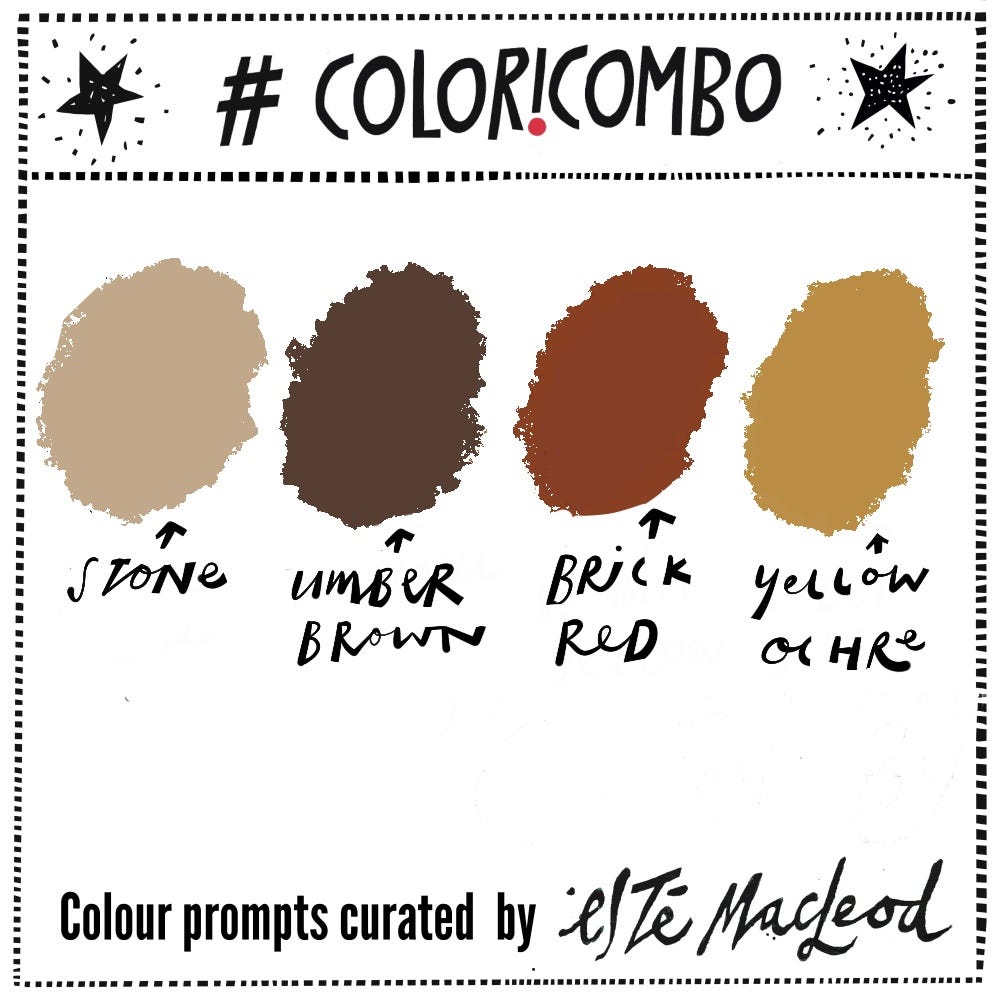
Week Twenty Six is Stone, Umber Brown, Red Brick & Yellow Ochre
We are still in the rural Dordogne area of France where there’s been an incredible heatwave with daily temperatures in the high 30s or low 40s (over 100F) Yesterday the clouds rolled in bringing welcome rain and delicious cool air.
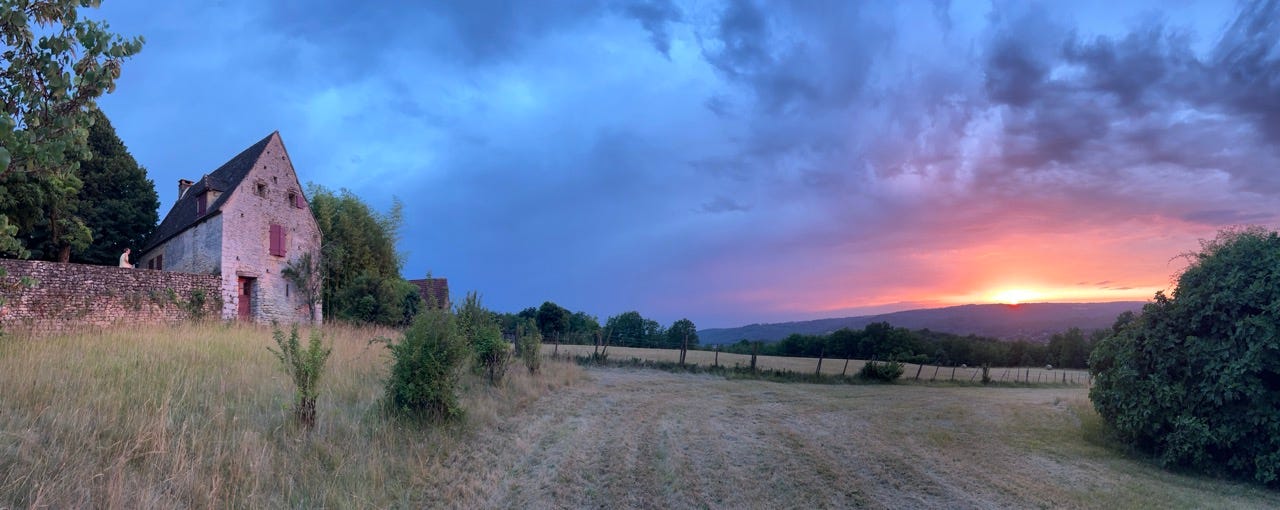
In addition to the Medieval villages, impressive castles and beautiful landscape, this area of Perigord is also world renowned for it’s wealth of prehistoric art. It has been an indulgence to enter deep, dark caves and discover drawings on the rock walls that were made many thousands of years ago - it is an incredible experience to see these up close. Yesterday I went on a tour of the Grotte de Rouffignac.
It’s known as the Cave of the Hundred Mammoths and is a vast underground limestone labyrinth that stretches nearly eight kilometres (five miles) through the remains of an ancient underground river. Around 13,000 to 15,000 years ago, Magdalenian hunter-gatherers ventured three kilometres (two miles) into this darkness with nothing but chestnut-wicked torches and pigments and started drawing and engraving over two hundred animal figures onto the walls and ceilings.
What makes Rouffignac remarkable is the dominance of a single animal. Of the 240 figures, 158 are mammoths which is an astonishing proportion when you consider that mammoth depictions are actually quite rare in prehistoric art - these figures make up about 30% of all mammoth representations found in Palaeolithic art across Europe. Other animal drawings in the cave include woolly rhinoceros, horses, bisons and ibex.
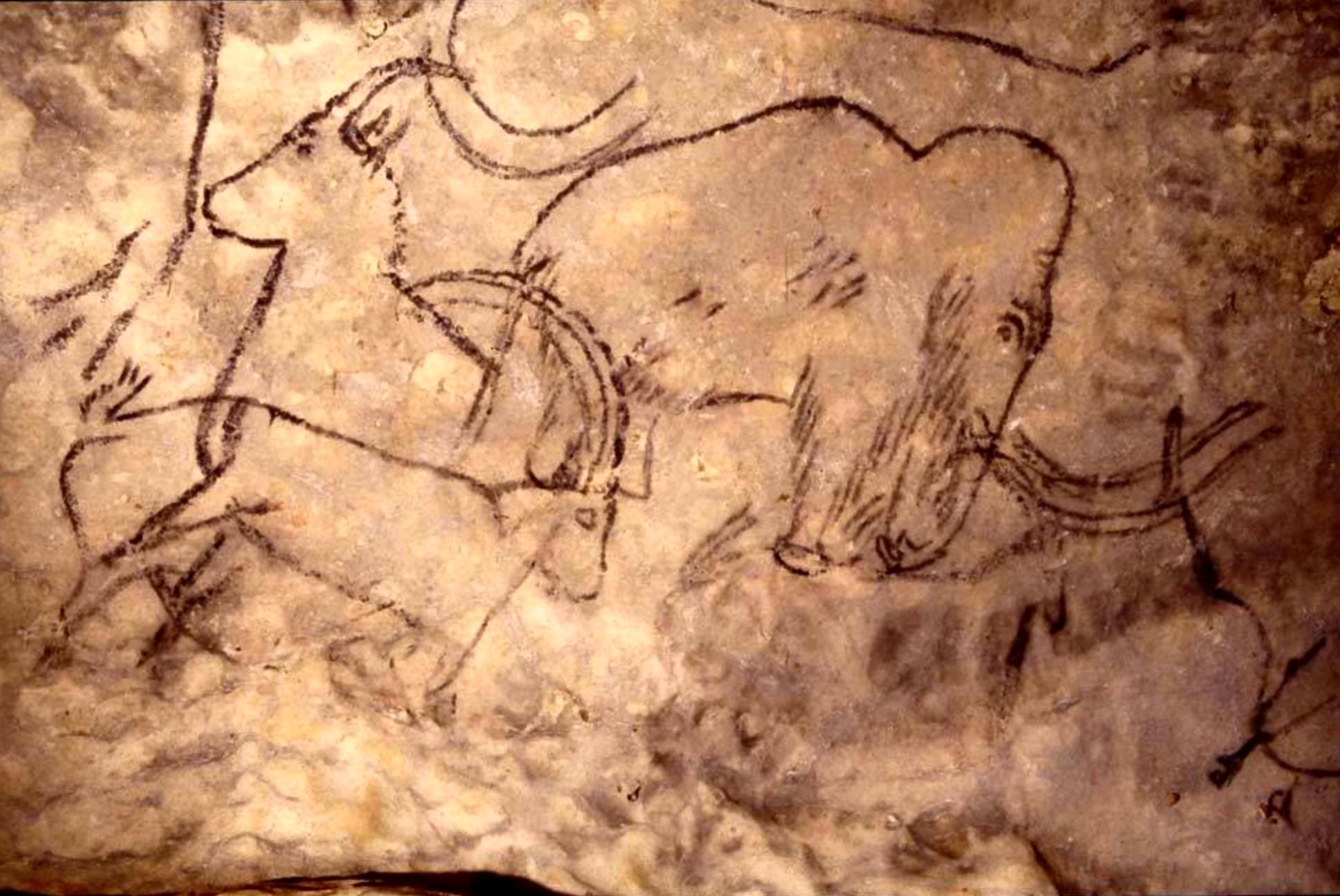
The artists definitely knew what a mammoth looked like, the anatomies are precise from the characteristic hump on the back, the full detail of the eye, the peculiar two-fingered extremity of the trunk and even the flap that protected the animal’s bottom against bitter cold. I was struck by how beautiful the drawings and engravings are, there’s a soft, almost feminine touch with the sensitivity of the depictions.
Technically the artists worked with manganese dioxide, a black mineral pigment, applying it with pieces of charcoal or stone to achieve different densities and effects. For engravings, they employed flint tools, bone implements and their own fingers on softer clay walls. There’s a definite mix of techniques: some are engraving, others are painting and many combine both with an engraved outline then a fill or shadow with pigment.
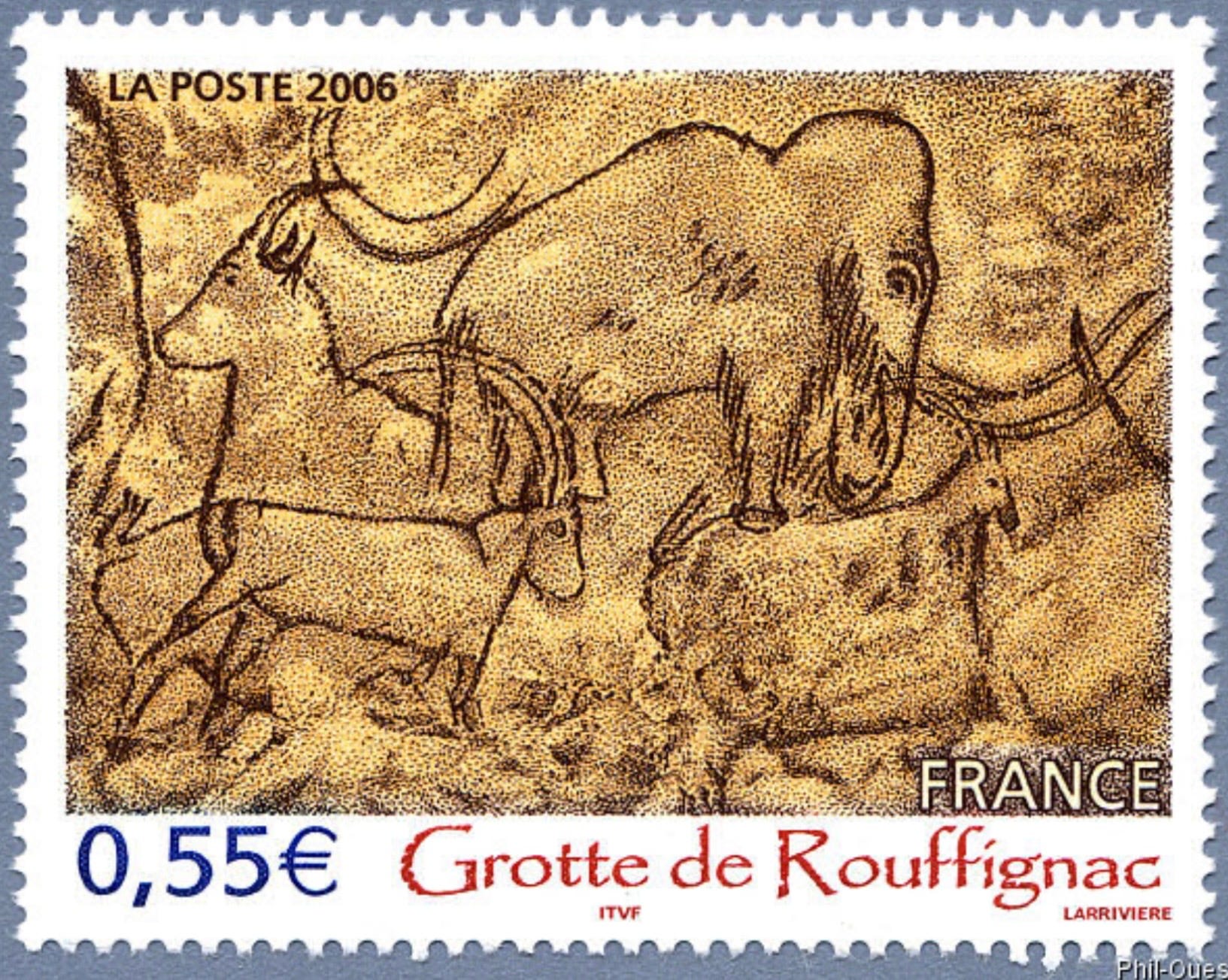
The ceiling of the main gallery, the Grand Plafond, is the masterpiece: sixty five animals intertwined in a composition that required the artists to work lying on their backs. The scale is monumental, especially when you remember they were drawing on a horizontal ceiling and working by the light of flickering torches. The image below gives an idea of the creation, it is also depicted on a French stamp from 2006.
We’re told that children painted here too: researchers have identified lines drawn with fingertips in soft cave clay that were made by very young children, perhaps two to five years old. Some of these marks reach heights that suggest the children were held up by adults to make them. There’s something profound in that image, a parent holding a child high so they could leave their mark on stone 13,000 years ago.
Understandably, photographs of the cave aren’t allowed so I’ve taken colours this week from actual ochre pigments I bought in Montignac.
For more about the Grotte de Rouffignac, read on here and here.

“Pigments Naturels (Ochre)” , natural pigments
Colour Combination
The colours this week are Stone, Umber Brown, Red Brick & Yellow Ochre. Use them along with a contrasting dark and neutral light colour to create an artwork in any medium or style. Know someone who might enjoy a weekly dollop of colour and creativity? Why not share this post with them?
Shapes
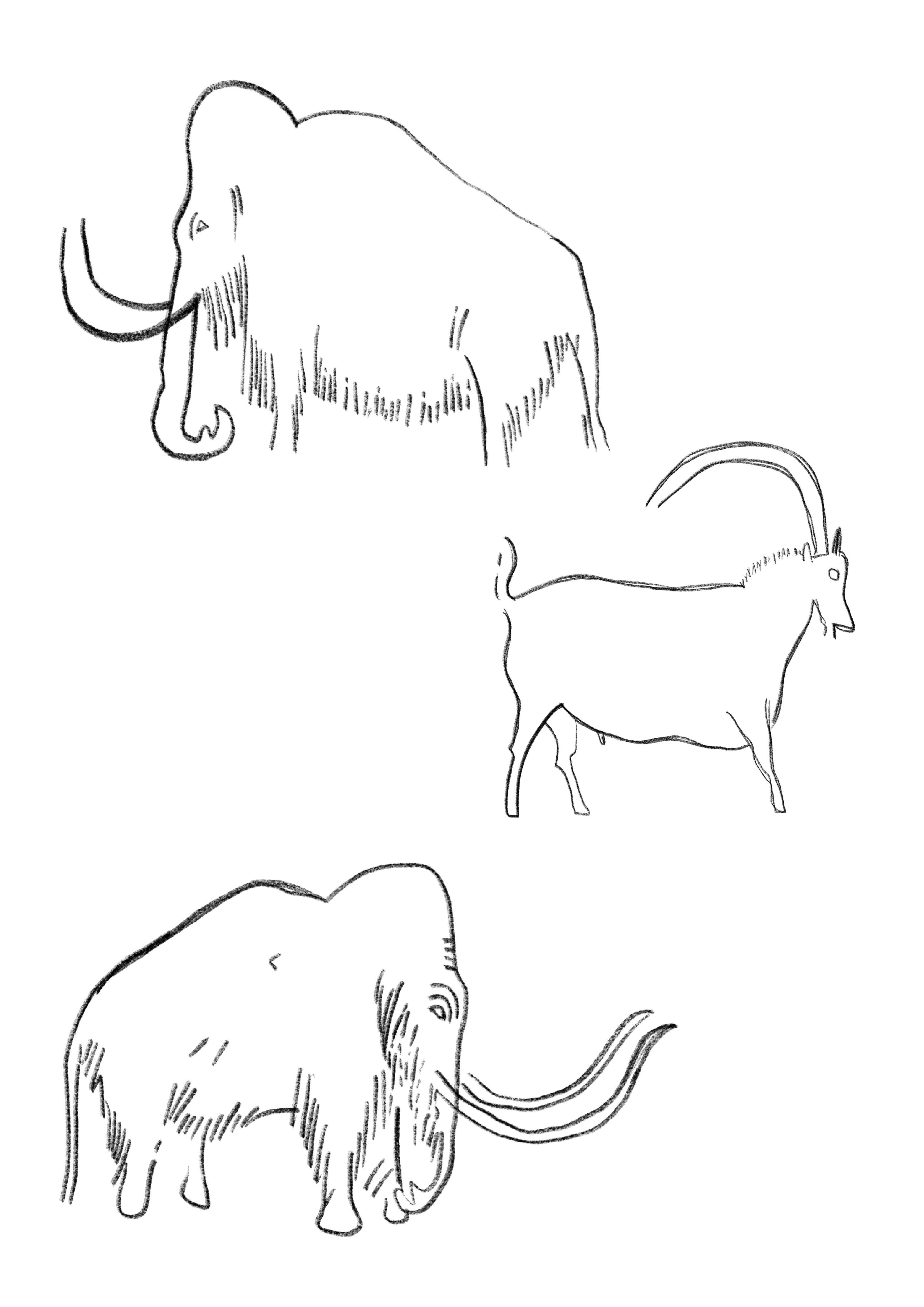
Along with the colour prompt I’m including some shapes, two wooly mammoths and an ibex, inspired by the cave artworks which you can download as a PDF and print out to use as you wish.

Exciting news alongside Este's Week 26 Coloricombo post
Published in June in the journal Nature Communications
Smithsonian Magazine article: In a Scientific First, Researchers Recovered Ancient DNA That Humans Left Behind on Rock Art and Cave Walls
Scientists collected samples from 11 caves in Spain and Portugal
Researchers think prehistoric artists primarily created cave art by applying red ochre paint with their hands or spitting it from their mouths, meaning that traces of their skin or spit may have ended up in the final piece.
Three of the samples appear to have come from women, and one seems to have come from a man. Two of the samples also appear to align closely with known groups of western hunter-gatherers who lived between 5,200 to 16,700 years ago.
https://www.smithsonianmag.com/smart-news/in-a-scientific-first-researchers-recovered-ancient-dna-that-humans-left-behind-on-rock-art-and-cave-walls-180989038/
Hi este this was such an interesting article and what a once in a lifetime experience to be these caves and see these drawings! Just curious, i've never used the natural pigments but would like to some day, when you buy them like you did do you just mix them with water to use them?